How Much Does a Driveway Replacement Cost in 2026?
By Noah James
• 7 min read • Founder, DrivewAI
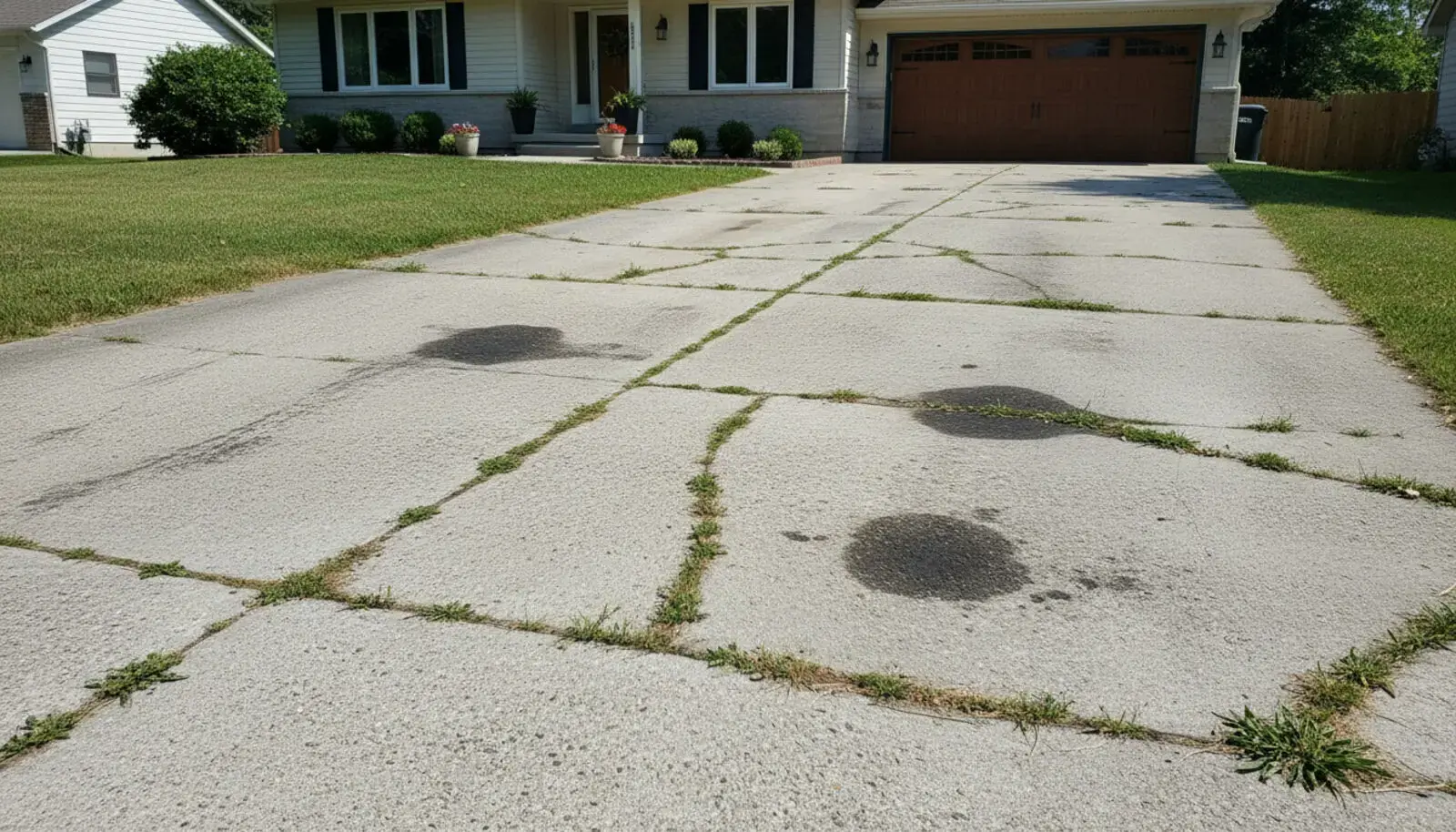
Planning a driveway replacement starts with understanding costs. Prices vary dramatically based on material, size, location, and site prep — but we'll break down realistic 2026 pricing for every major material so you can budget accurately.
Average Driveway Replacement Costs (2026)
| Material | Cost per Sq Ft | 600 Sq Ft Driveway |
|---|---|---|
| Gravel | $2–$5 | $1,200–$3,000 |
| Asphalt | $7–$13 | $4,200–$7,800 |
| Plain Concrete | $8–$15 | $4,800–$9,000 |
| Stamped Concrete | $12–$18 | $7,200–$10,800 |
| Interlocking Pavers | $15–$30 | $9,000–$18,000 |
| Exposed Aggregate | $12–$20 | $7,200–$12,000 |
| Brick | $14–$25 | $8,400–$15,000 |
| Natural Stone | $20–$50 | $12,000–$30,000 |
These prices include demolition of the existing driveway, site preparation, base material, installation, and basic finishing. (Cost ranges based on HomeAdvisor's 2025 driveway cost data and Angi contractor estimates.)
Hidden Costs to Budget For
Demolition and removal of your existing driveway typically adds $1,000–$3,000 depending on the material. Concrete is more expensive to remove than asphalt.
Base preparation is critical and sometimes underestimated. If your subgrade has drainage issues or isn't properly compacted, expect to add $1,000–$2,500 for grading and base work.
Drainage modifications may be required by local code, especially if you're changing from a permeable surface (gravel) to impermeable (concrete). French drains or channel drains add $500–$2,000.
Permits vary by municipality but typically run $100–$500 for driveway work. Check your local building department or search permit requirements on your city's website.
Material Breakdown
Gravel ($2–$5/sq ft) The most affordable option. Great for rural properties and long driveways. Requires periodic regrading and fresh gravel every few years. Not ideal for steep grades.
Asphalt ($7–$13/sq ft) Popular in cold climates because it flexes with freeze-thaw cycles. Needs sealing every 3–5 years. Lasts 15–20 years with proper maintenance. Professional installation is essential.
Plain Concrete ($8–$15/sq ft) The workhorse of driveways. Clean, durable, and low-maintenance. Lasts 25–30+ years. Can be finished with broom texture, exposed aggregate, or left smooth.
Stamped Concrete ($12–$18/sq ft) Concrete with decorative patterns stamped into the surface before curing. Mimics the look of stone, brick, or tile at a fraction of the cost. Requires resealing every 2–3 years.
Interlocking Pavers ($15–$30/sq ft) Individual concrete or clay units laid in patterns. Extremely durable and repairable — individual pavers can be replaced. Wide variety of colors and patterns available.
Natural Stone ($20–$50/sq ft) The premium choice. Bluestone, flagstone, travertine, or granite create unmatched elegance. Each stone is unique. Installation is labor-intensive but the result is stunning and long-lasting.
How to Save on Driveway Replacement
1. Get multiple quotes — prices vary 30–50% between contractors for the same work. 2. Schedule in off-season — fall and early spring often have lower prices due to reduced demand. 3. Keep the same footprint — changing the shape or size of your driveway adds engineering and site prep costs. 4. Visualize before you commit — use AI driveway rendering tools like DrivewAI to see exactly what each material looks like on your property before spending thousands.
When Should You Replace vs. Repair Your Driveway?
Not every cracked driveway needs full replacement. Here's a quick decision framework:
Repair if: Surface cracks are less than 1/4 inch wide, damage is limited to less than 25% of the surface area, the base is still solid (no major heaving or settling), and the driveway is less than 15 years old.
Replace if: Cracks are wider than 1/2 inch or structural, more than 30% of the surface is damaged, there's significant settling or drainage pooling, the driveway is over 20 years old, or you want to change materials entirely.
Repair costs typically run $500–$2,500 depending on the extent of damage. For concrete, crack filling and resurfacing can extend the life by 5–10 years. For asphalt, patching and sealcoating is effective for isolated damage. But if you're spending more than 30% of replacement cost on repairs, replacement is the smarter long-term investment.
How Long Does Driveway Replacement Take?
Timeline depends heavily on the material and site conditions:
- Gravel: 1–2 days for demolition and installation, drivable immediately - Asphalt: 2–3 days, drivable in 2–3 days after installation - Concrete: 2–4 days for pour and finish, 7–10 day curing period before driving - Stamped concrete: 3–5 days (more labor-intensive stamping process), same 7–10 day cure - Pavers: 3–7 days depending on pattern complexity, drivable immediately - Natural stone: 5–10 days due to individual stone fitting, drivable immediately
Weather is the biggest variable. Concrete and asphalt can't be installed in freezing temperatures or heavy rain. Plan your project for a stretch of dry weather with daytime temperatures consistently above 50°F.
Does Driveway Material Affect Home Value?
A new driveway typically increases home value by 5–10% of the project cost in direct appraisal value — but the real ROI comes from buyer perception. According to the National Association of Realtors, curb appeal is one of the top 3 factors buyers cite when choosing which homes to tour.
A cracked, stained driveway signals deferred maintenance to buyers. A clean, well-maintained driveway in a quality material signals a well-cared-for property. The material itself matters less than the condition — a pristine asphalt driveway makes a better impression than a cracked natural stone one.
If you're replacing your driveway specifically to sell your home, stick to materials common in your neighborhood. An expensive cobblestone driveway in a neighborhood of asphalt will look beautiful but won't recoup its premium cost at resale.
How to Choose the Right Contractor
Get at least three written quotes from licensed, insured contractors. Each quote should itemize:
- Demolition and removal of existing driveway - Base preparation and grading - Material and installation labor - Finishing (sealing, joint sand, edging) - Timeline and payment schedule - Warranty terms
Ask for references and photos of recent projects in the same material you're considering. Drive by completed projects if possible — photos look great, but seeing the material in person (and after a year of weathering) tells you more about quality.
Check contractor licenses at your state's licensing board and verify insurance is current. A legitimate contractor will have no problem providing proof of both.
Visualize Your Options First
Before committing $5,000–$30,000 to a driveway replacement, see what each material actually looks like on your home. Upload a photo to DrivewAI and get instant AI renderings across all 6 styles — it's the fastest way to narrow down your choice and get accurate contractor quotes. Compare stamped concrete vs pavers or explore all your driveway material options before calling a contractor.
About the author
Noah James
Founder, DrivewAI
Noah James is the founder of DrivewAI, an AI home visualization platform that helps homeowners, contractors, and real estate agents preview renovations before committing. He built DrivewAI to close the gap between inspiration and execution in home improvement.
His writing focuses on practical renovation decision-making, material comparisons, and how AI visualization tools are changing the way people plan projects — from driveway replacements to full interior staging.
See your home transformed by AI
Upload a photo and get AI renderings across every style. Designs from $9 with a 24-hour refund guarantee.
Try DrivewAI Free