Free Driveway Tool
Heated Driveway Cost Calculator
Estimate electric or hydronic snow melt cost before replacing a driveway. Compare heated coverage, controls, power tie-in, operating range, and system flags before previewing the surface.
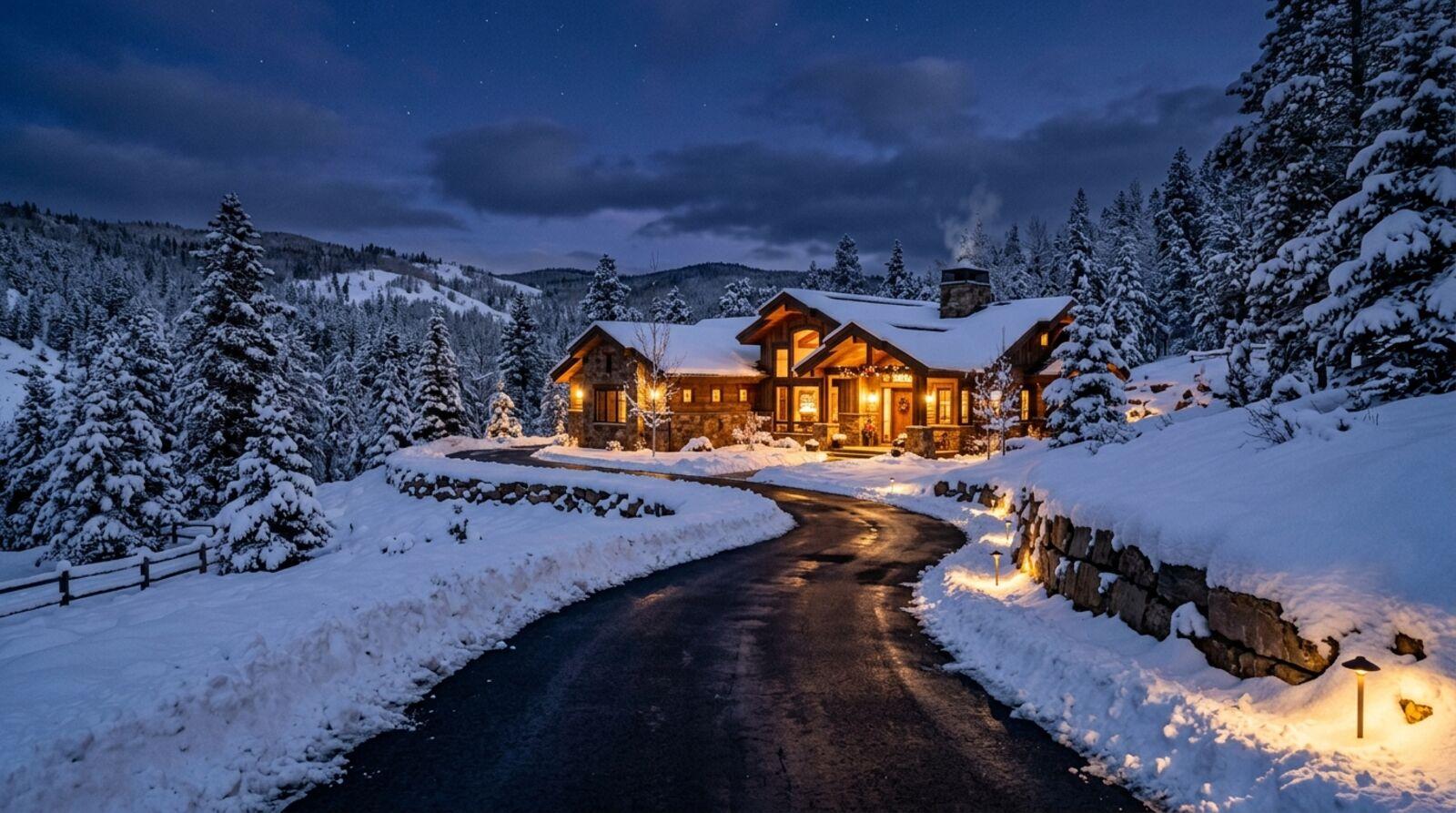
Heating system
Driveway surface
Winter exposure
Controls
Power source
Power load
Electric snow melt can add a large load. It should be checked before choosing the surface or coverage area.
Coverage strategy
Full-surface heating is cleanest, but tire tracks, aprons, and steep sections may solve the practical problem.
Drainage still matters
Melted snow has to go somewhere. Slope, drains, refreeze risk, and snow storage still need planning.
Preview before hidden hardware
Heated driveways are invisible after the surface is built.
Preview the visible driveway material, apron, borders, lighting, and drainage direction before committing to a heating system under the surface.
FAQ
Heated driveway cost questions
Heated driveway cost depends on heated square footage, electric vs hydronic system, surface material, controls, power or boiler tie-in, old driveway removal, and winter exposure. Full-surface heating can cost much more than targeted tire tracks, apron zones, or steep sections.
Electric systems are often simpler for smaller areas and targeted retrofits. Hydronic systems can make more sense for larger heated areas or properties with suitable mechanical infrastructure, but they add boiler, tubing, pump, and maintenance complexity.
Full-surface heating gives the cleanest melt pattern but costs more to install and operate. Tire tracks, aprons, steep sections, and walking paths can be a practical compromise when the goal is traction rather than a completely clear driveway.
DrivewAI can help preview the driveway surface, apron, border, lighting, and visible layout before installation. Heating hardware is mostly hidden, so the value is seeing whether the replacement surface and heated zones fit the home.