Free Driveway Tool
Driveway Apron Cost Calculator
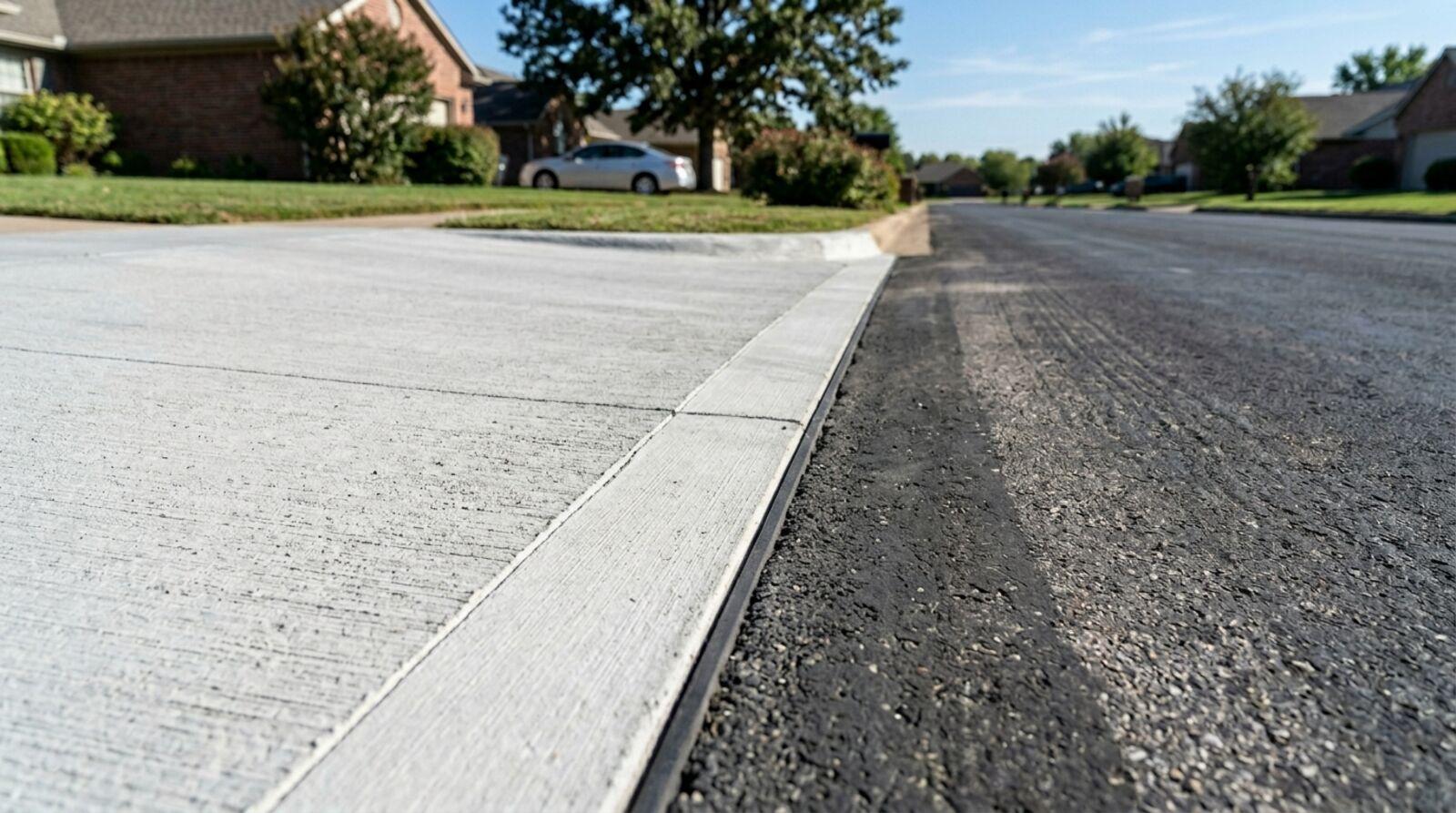
Estimate apron size, flare, square footage, material range, and permit flags before you redesign the driveway. Aprons are small, but they affect curb appeal, drainage, turning, and the street tie-in.
Apron material
Street condition
Drainage behavior
Vehicle use
Apron geometry
The apron needs enough width and flare to make turning feel natural without widening beyond local curb-cut rules.
Street drainage
The apron has to meet the gutter, curb, sidewalk, and driveway slope without pushing water back toward the house.
Public right-of-way
Curb cuts, sidewalks, and street tie-ins are often regulated differently from the rest of a private driveway.
Design after the tie-in is clear
The apron should not look like an afterthought.
Once the street tie-in, slope, and permit limits are known, preview the driveway surface, border, entry path, and apron together on your actual home photo.
FAQ
Driveway apron cost and size questions
A driveway apron is the transition area where the private driveway meets the street, curb, gutter, shoulder, or sidewalk. It often has different rules than the rest of the driveway because it touches public right-of-way.
Small residential driveway aprons can range from a few thousand dollars to much more depending on area, material, removal, curb work, sidewalk rules, drainage, base depth, inspections, and local labor. Use this calculator as a planning range, not a contractor quote.
The apron usually starts near the driveway width and may flare wider at the street. Light-use aprons may only need 1 to 3 feet of flare per side, while trailer, RV, or work-truck access can need more turning width if local rules allow it.
Often, yes. If the apron touches a curb, sidewalk, gutter, public street, or municipal right-of-way, the city or county may require a permit, approved dimensions, inspections, traffic control, or a licensed contractor.